San Francisco · 5 min read
Making Video for AI and Tech Startups in San Francisco
An AI company usually has nothing you can put in front of a camera. There is no machine, no storefront, and often no interface worth filming yet. The film has to come from somewhere else, and most of the time it comes from the people who built the product.
When the product is software, the people are the picture
Martian announced Ship, its endpoint for frontier models, on July 21, 2026. Sunlyte Productions produced the launch film, edited it, and graded the color in a single 12-hour day. A model endpoint is an API. You cannot light it, and a screen recording of a request going in and a response coming out does not explain why anyone should care.
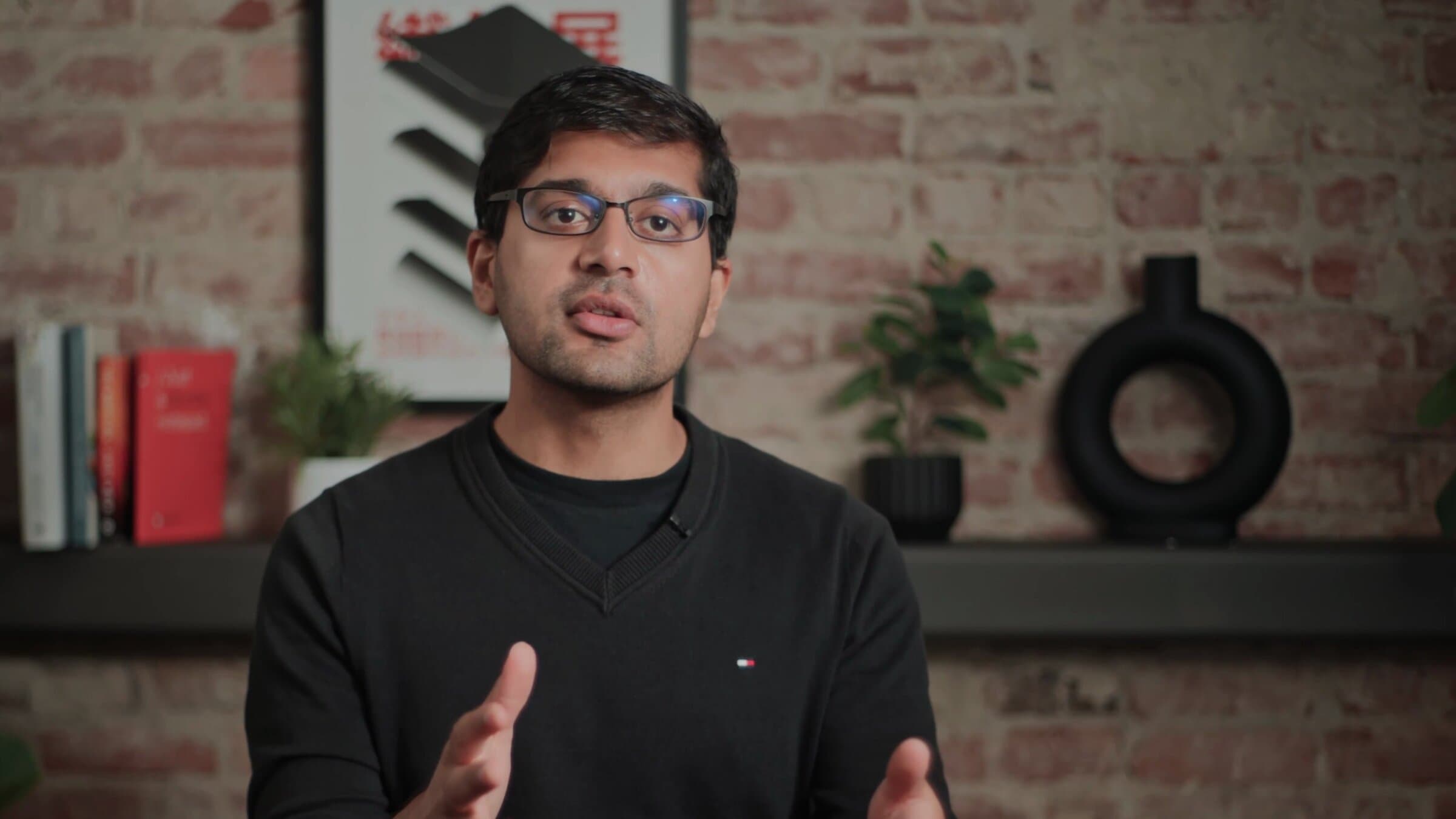
So the film is Martian's two cofounders explaining how Ship works and why it lowers the cost of frontier models. It runs 95 seconds on one interior set, with each cofounder covered in a wide and a close framing. That coverage does most of the work: the edit can move between the two explanations without losing the thread, and every cut has a reason to happen.
The launch date does not move
A startup launch is set by the announcement, not by the production schedule. Press, partners, and the company's own post are lined up around one day, and the film has to be finished before it. Nobody moves a launch because the grade needs another pass.
That changes how the job is planned. We work backward from the post: when the final file has to exist, when the edit has to lock, and how much shooting fits before that. Speed on a schedule like this comes from making decisions early, not from cutting corners late. A shot list built against the finished edit is the fastest route through a short timeline. On Martian's film, the shoot, the edit, and the grade all fit inside one 12-hour day.
Technical audiences check your claims
The people watching an AI launch film are often engineers, and Bay Area audiences spend their working lives around product videos. They notice when an abstraction stands in for a product, and they notice a claim the film does not support.
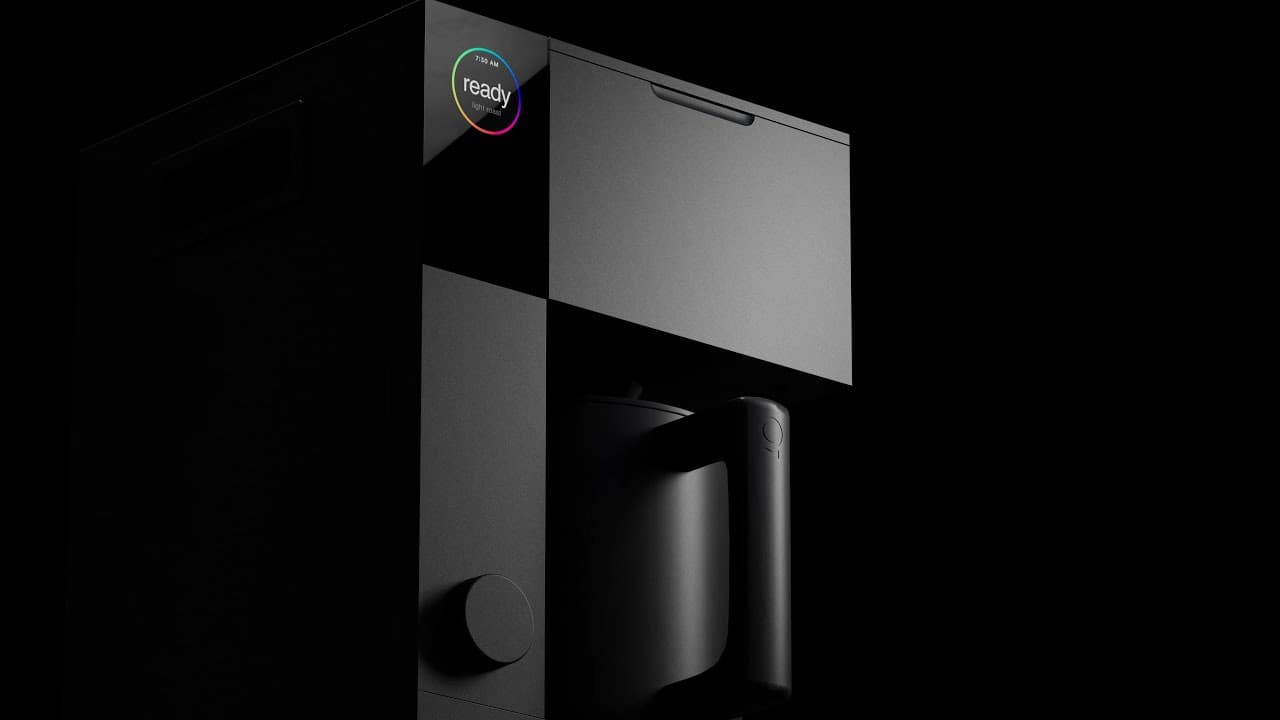
When we edited and graded the launch film for the Fellow Aiden Precision Coffee Maker, the answer was to show the machine working: real brewing, the real interface, the real result. Software makes that harder, but the principle holds. If the claim is a number, let the person responsible for that number say it on camera, in their own words. A founder explaining their own result is more convincing than a narrator reading it.
Founders are not presenters, and they do not need to be
Most technical founders know their product better than anyone and have explained it many times, usually to someone who could interrupt. A camera cannot interrupt, so an answer that works in a meeting often falls apart in the edit.
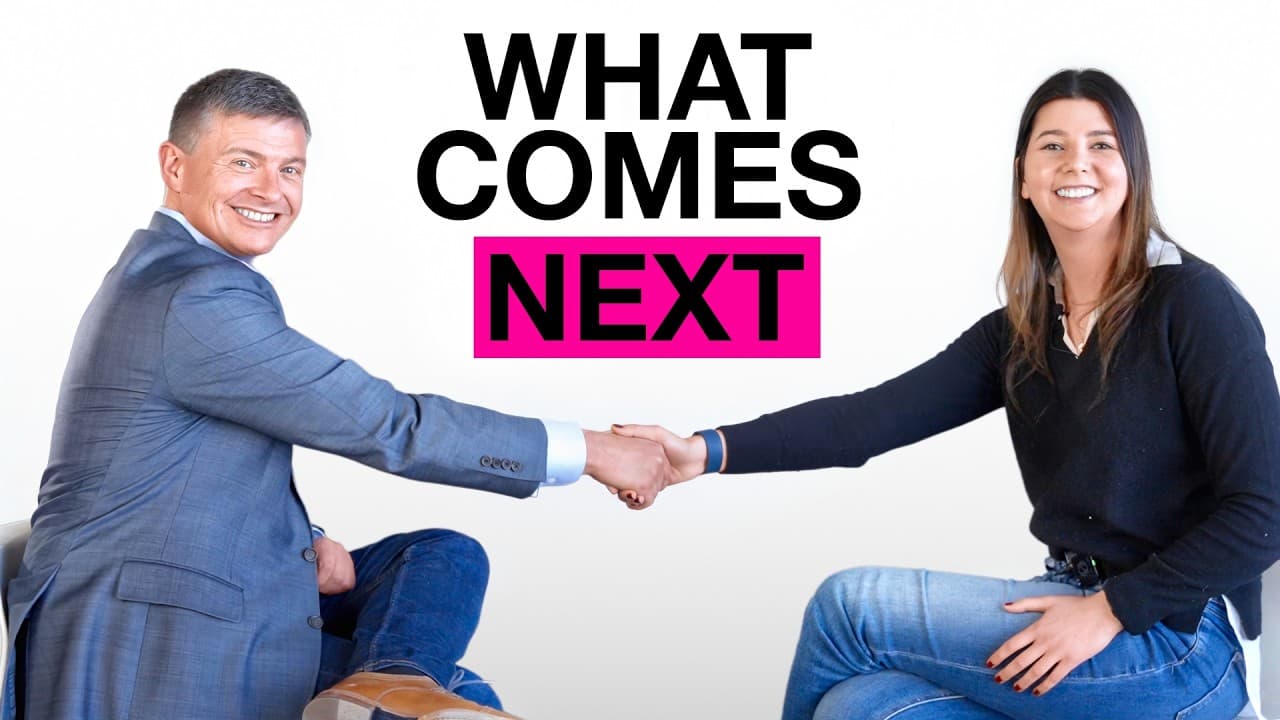
A short conversation before the camera rolls fixes most of this. Keeping the crew and equipment small helps as well. Our creator interviews for NothingButTech were built that way, with a light technical footprint so the setup fades into the room and the conversation carries itself.
- Answer in full sentences that stand alone without the question
- Pause before and after the line that matters most
- Expect to say the important thing twice
- Agree beforehand on the two or three ideas that must survive the edit
One production, several places to live
A launch film rarely lives in one place. Martian's lived inside its launch post on X. A product film like Fellow's has to work on the product page, in social cuts, and in press coverage, all on the same day.
Plan for that before anything is shot. Framing with room to reframe later costs very little on the day and saves a second production afterward.
- Which cut leads on launch day, and where it is posted
- Which platforms need a vertical version
- The lines that have to work as stand-alone clips
- The delivery format for every place the film will run
How we work with startups
A lot of startups begin with a launch date, a rough idea, and nobody on the team who has produced a film. Send us the date. A producer replies within two business hours, and after a short call you get a scoped proposal with the deliverables, the schedule, and the cost, before anything is booked.
One crew shoots, edits, and grades the film, so the footage never waits on a handoff to a separate post house. Martian's launch film went from the first setup to the final grade in one 12-hour day.
After the announcement comes the rest: feature releases, hiring posts, founder updates. Our monthly content plans cover that with one to three shooting sessions a month, shot and graded by the same crew that made the launch film.
- A launch film planned backward from your announcement date
- Founder interviews, with a short prep conversation before the camera rolls
- Vertical and social cuts from the same shoot
- Monthly short-form content for the months after launch
Why a local crew helps in San Francisco
San Francisco has a dense concentration of AI companies, and many launch films are made where the team already works: an office, a lab, a shared workspace. The practical questions are the city's usual ones, like load-in, building access, and light that changes by neighborhood.
Sunlyte is based in San Francisco, so there is no travel line on the budget, scouting is not a separate trip, and a founder's calendar can move by a day without anyone rebooking flights. On a fixed launch date, that flexibility matters.
If you have a launch date and a product that is hard to point a camera at, start with the date. Tell us when the film has to be live, and we will plan the production backward from there.
Related Work
Keep Reading
Looking for a team rather than a guide? Video Production Company in San Francisco